
Video content is an essential customer touchpoint.
Its ability to engage, inform and entertain audiences makes it an invaluable tool for businesses of all sizes.
But what sets apart a truly effective video from one that falls flat?
The answer lies in the quality of its production, particularly in three key areas: voice, visuals and music. These elements form the foundation of all successful marketing video content. When combined in the right way, they create a memorable viewing experience that can enhance your marketing efforts.
This blog explores each of these vital components and how they contribute to the overall impact of your video content.
Visuals that captivate and convert
In video content, what you show is just as important as what you say.
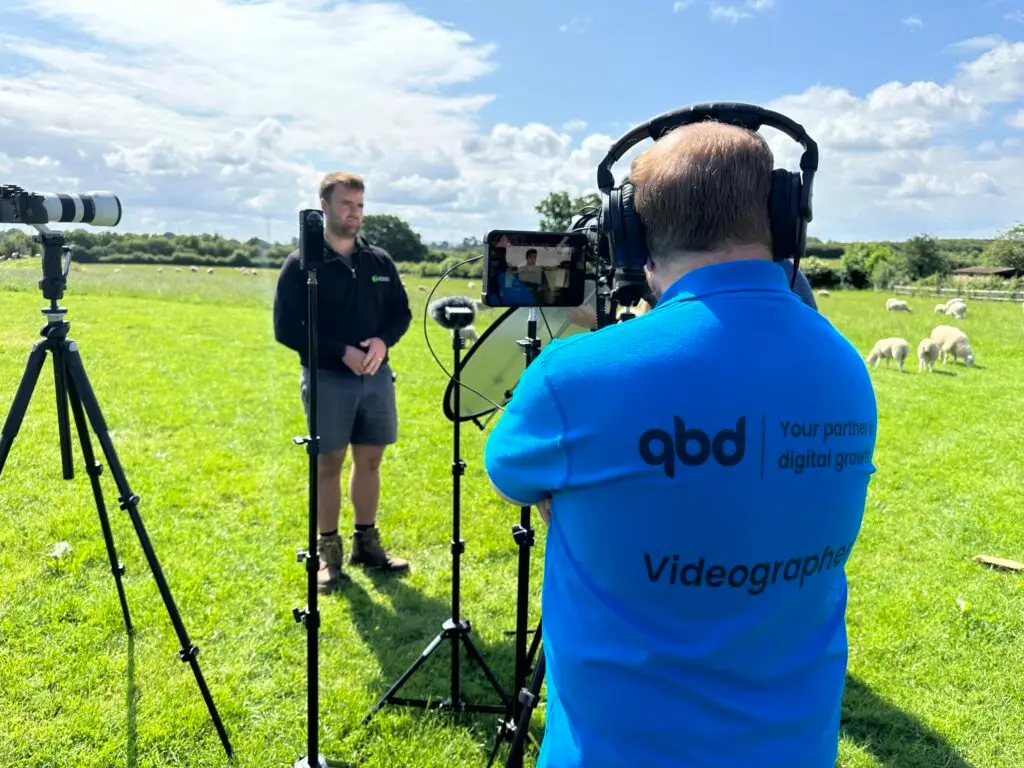
High-quality footage and imagery are non-negotiable. Crisp, clear visuals make your content more enjoyable to watch and help create a positive and professional brand image.
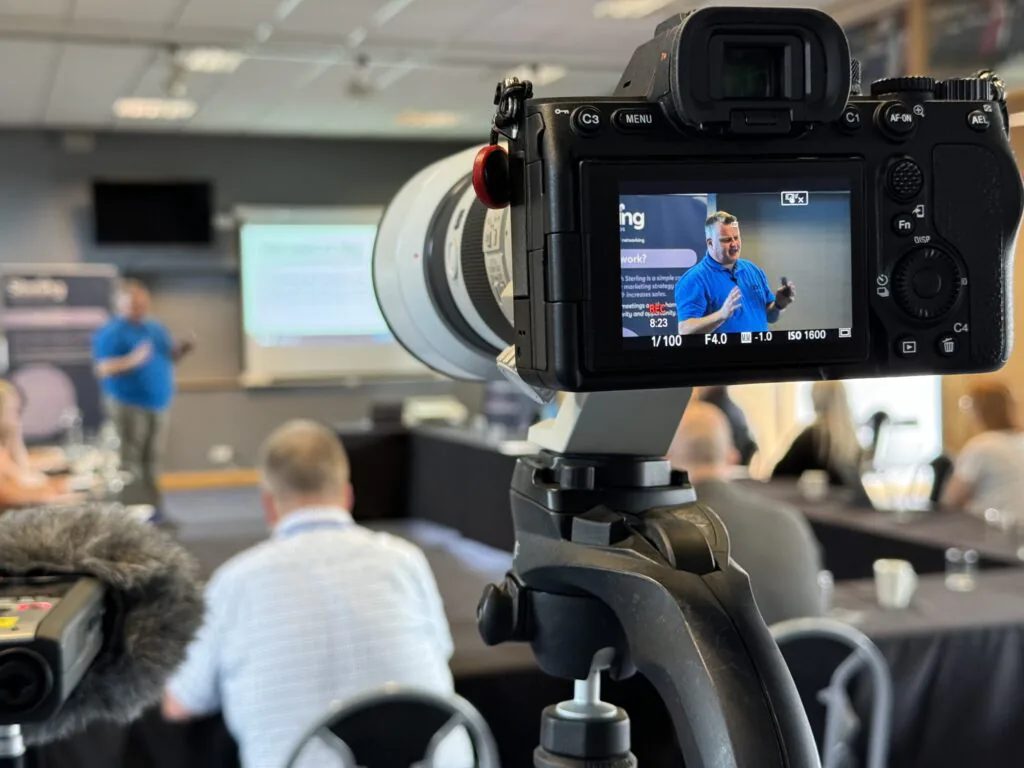
So, invest in good camera equipment or consider hiring a professional video production agency like QBD for crucial projects.
Lighting plays a pivotal role, too. Poor lighting can make even the best content look amateurish. Natural light is often flattering, but don’t shy away from an artificial lighting setup to achieve the desired effect.
Graphics and animations can elevate your video content from good to great. They’re handy for explaining complex concepts or data in an easily digestible format. However, moderation is key. Overusing flashy graphics can distract from your core message. Aim for clean, on-brand designs that complement, rather than overpower, your content.
Colour grading is another powerful tool in your visual arsenal. It helps make your footage look good while creating the right mood and reinforcing your brand identity. Warm tones can evoke feelings of comfort and nostalgia, while cool tones might convey professionalism or technology. Consistent colour grading across your video content can help build brand recognition.
The power of voice in video production
Considering your brand’s tone of voice in your videos is essential. It’s the personality and style of your brand’s communications, which should remain consistent across all your marketing channels, including video content.
Your brand’s tone of voice is a powerful tool for differentiation and recognition. It helps create a cohesive brand experience, whether a customer is reading your website, watching a video or interacting with your social media posts. In video content, such consistency is vital as it helps reinforce your brand identity and values.
When developing your brand’s tone of voice for video, consider attributes such as formality (are you aiming for casual or professional?), emotion (empathetic or matter of fact?) and complexity (simple or technical?).
For example, a financial services company might adopt a professional, reassuring tone to build trust, while a youth-oriented fashion brand might opt for a more casual, energetic style.
Your messaging style should also reflect your brand’s tone of voice. This includes the language you use, how complex your sentences are, and even the use of humour or cultural references. In video content, your messaging style should extend to visual elements like graphics and on-screen text, to complement and reinforce your verbal messaging.
Consistency in tone of voice doesn’t mean being monotonous. You can adjust your tone slightly for different types of content or platforms while maintaining your core brand voice. For instance, your tone might be more formal in a corporate video presentation but more conversational in a social media video.
Maintaining a consistent voice across all your channels, including video, creates a strong, recognisable brand identity that resonates with your audience and builds long-term brand loyalty.
Music: Setting the tone for your message
Music is the unsung hero of video production. It sets the emotional tone, drives the pace and can even influence viewer behaviour. Selecting the right genre and style for your brand is crucial. A mismatched soundtrack can undermine your message, no matter how strong your visuals or script are.
Consider your brand personality and target audience when choosing music.
If you’re a fresh, energetic B2C brand, you might benefit from upbeat pop or electronic music, while if you’re a luxury B2B brand, you might lean towards classical or jazz. The key is consistency – your music should align with your brand identity across all your video content.
Music can also have a huge psychological impact on your audience’s emotions.
Uplifting music can create positive associations with your brand, while tense music can build anticipation or urgency. Use this emotional power strategically to guide your viewers’ reactions.
Balancing music with voice and other audio elements is a delicate art. Background music should enhance, not compete with, your narration or dialogue. Pay attention to volume levels and consider using dynamic audio mixing to ensure the clarity of your primary message.
Bringing it all together: The art of editing
Even with great individual elements, the magic truly happens in the editing room. It’s where pacing, rhythm and musicality come into play. A well-edited video keeps viewers engaged from start to finish, balancing moments of high energy with quieter sections to create a dynamic viewing experience.
Seamless transitions are crucial for maintaining viewer retention. Jarring cuts or clunky transitions can break your video’s flow and cause your audience to switch off. Experiment with different transition styles, but remember that sometimes, a simple cut is the most effective choice.
Storytelling is the backbone of effective marketing videos. Your editing should serve the story you’re trying to tell, whether it’s a customer journey, a product demonstration or a brand narrative. Consider the emotional arc of your content and edit accordingly, building towards key messages or calls to action.
Measuring your video content’s impact
Creating great video content is only half the battle. To maximise its effectiveness, you need to measure its performance and iterate based on the results.
Key metrics to track include view count, watch time and engagement rates (likes, comments, shares). These give you a basic understanding of how your audience is interacting with your content. Dive deeper with metrics like click-through rates for calls-to-action and conversion rates if your video is part of a sales funnel.
A/B testing is a powerful tool for optimising your video content. Try creating multiple versions of your video with different messaging or visual styles. Test these versions with segments of your audience to see which performs best. Even minor tweaks can lead to significant improvements in engagement and conversion rates.
And don’t ignore qualitative feedback. Comments, messages and direct feedback from your audience can provide invaluable insights into what’s resonating and what’s falling flat. Use this information to refine your video strategy.
What can video content help your business achieve?
Video content offers a host of benefits. It’s highly shareable, especially on social media. A compelling video can quickly spread beyond your immediate audience, introducing your brand to potential customers who might not have encountered it otherwise. Increased visibility can lead to significant growth in brand recognition and recall.
Videos are inherently more engaging than text or static images. They capture attention more effectively and hold it for longer periods. Increased engagement can lead to higher interaction rates on your social posts, website and other digital platforms.
Some concepts are easier to convey through video. Whether you’re demonstrating how a product works or explaining a complex service, video allows you to show rather than tell. It can lead to better understanding among potential customers and, consequently, increased sales.
Video also allows you to put a face to your brand, humanising your business and building trust with your audience. Customer testimonials, behind-the-scenes footage and expert interviews can all contribute to building credibility in your industry.
When it comes to sales, videos can be powerful conversion tools. Product videos give customers the confidence they need to make a purchase. Including videos on landing pages has been shown to increase conversion rates significantly.
Video marketing doesn’t always need to be clean, crisp advertising content. Podcasts can help your business build authority by getting your in-house experts to talk in-depth about your services to get your brand message across on a more personal level. Podcasts are multi-channel, too. You can upload the video to YouTube and other video platforms and share the audio on streaming services like Apple Podcasts and Spotify, to reach an even wider audience. Keep your eyes peeled because we’ll be writing more about podcasts in future blogs.
And finally… the search engines love video content. Websites with video are more likely to rank higher in search results. Moreover, YouTube, owned by Google, is the second-largest search engine in the world. Optimising your videos for search can drive significant traffic to your website.
Future trends in video production
As technology evolves, so does the video production landscape. Emerging technologies like virtual and augmented reality are opening new possibilities for immersive brand experiences. Meanwhile, artificial intelligence is streamlining many aspects of video production, from automated editing to personalised content creation.
Viewer preferences are also shifting. Short-form video content, on platforms like TikTok, is becoming increasingly important. At the same time, there’s a growing appetite for authentic, behind-the-scenes content that gives viewers a genuine look at brands and products.
To stay ahead, focus on creating adaptable content that can be reformatted for different platforms and audience segments. Experiment with new technologies, but always keep your core message and brand identity at the forefront.
How can QBD help?
The most successful video content is authentic, represents your brand and resonates with your audience. It uses voice, visuals, music and other elements to great effect.
Achieving outstanding results, especially if you don’t have any in-house video production expertise, can be challenging.
QBD can help. We can create tailored video content that aligns with your brand, resonates with your target audience and helps you achieve your marketing and communication goals.
Our solutions are creative, impactful and designed to deliver measurable outcomes. Our friendly, creative experts have vast experience creating compelling video content for an array of businesses and sectors. We’ll take the time to understand your organisation and objectives before delivering a solution that meets your needs.
We can also provide you with ongoing marketing consultancy and support to keep your business ahead of the curve, improve your online presence and maximise the return on your investment in our services.
To find out how we can help your business reach and attract more customers and achieve better results through video, get in touch today.

About the author
Sam is our dedicated videographer and editor. He brings a wealth of creativity and technical expertise to a wide array of digital projects. Based in our state-of-the-art podcast and webinar studio in Evesham, Sam works on diverse projects, from social media adverts and promo videos to service videos, podcasts and webinars. With a keen eye for detail and a passion for storytelling, he transforms concepts into compelling visual narratives that enhance brand presence and connect with audiences.